
Madeleine the French Cake Recipe
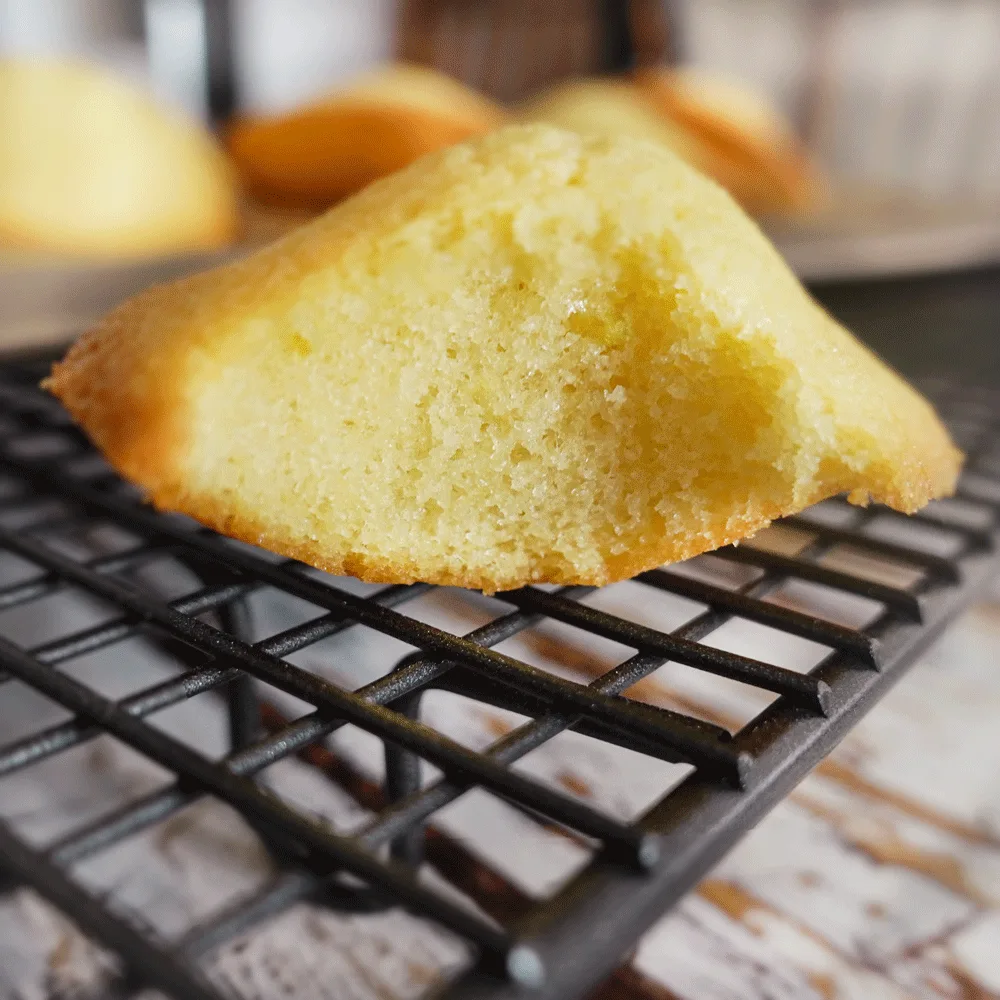
The madeleine is a truly special, small French cake instantly recognizable by its delicate, shell-like shape with little hump present at the centre. What’s wonderful is that these iconic treats are also one of the easiest to master; you don’t even need an electric mixer to whip up the batter! While they do require the signature shell-shaped baking tray, the reward is worth it: these beautiful, bite-sized cakes are perfectly appetising and ideal for any tea table
My memories with Madeleine the French Cake
My love for the madeleine began in Sri Lanka when I was about eight years old. A family friend, visiting from France, gifted us a box of these adorable little scallop-shaped cakes. They were so exquisite that the memory stayed with me long after the last one was eaten. I searched for them, asking everyone in the family, but in those days before Google and proper baking ovens (yes, I’m showing my age!), they remained a mystery. Fast forward almost ten years: I had just arrived in Australia when a friend offered me the very same delicacy. I finally learned their name—madeleines! Finding them again felt like a wonderful homecoming, and I’ve been baking them ever since
How to get he Perfect hump in the Madeleine Cake (The Science and Art of the Madeleine Bosse)
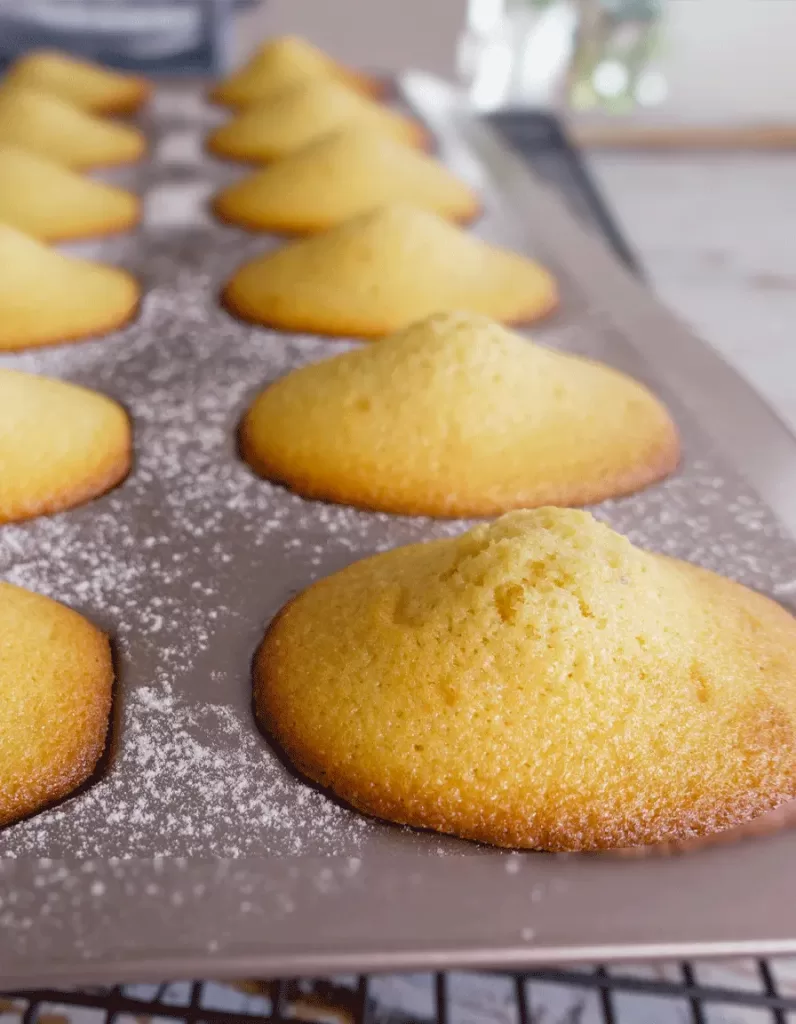
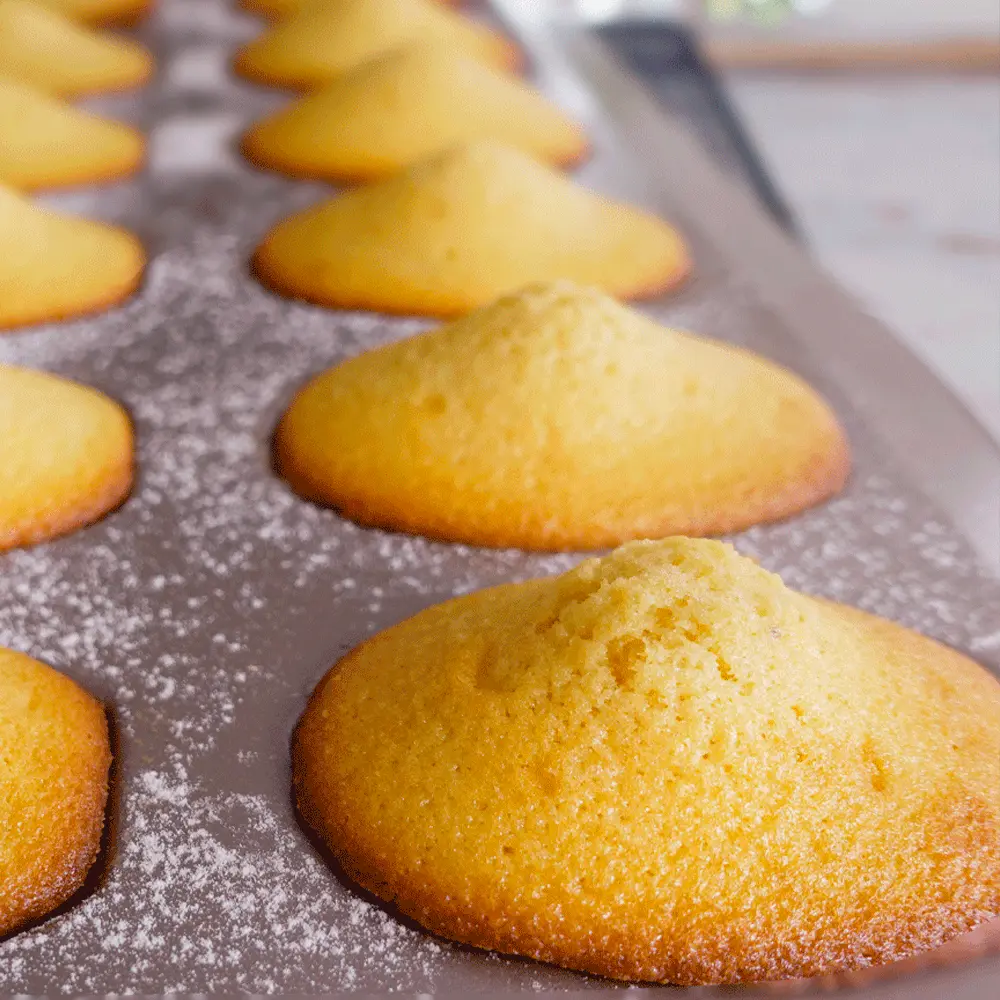
The Madeleine is a beloved, traditional French butter cake, instantly recognizable by its signature shell shape and, crucially, the characteristic dome or “bosse” (hump) that rises in the center. In the world of French pastry, achieving this perfect peak is the essential hallmark of a successful Madeleine.
The creation of the bosse is less about luck and more about the mastery of thermal shock and controlled heat transfer.
The Mechanism of the Perfect Hump
The secret lies in engineering a temperature differential between the edges and the center of the cake batter. Our goal is to ensure the batter sets rapidly around the edges while the center remains cool, allowing for delayed expansion.
- Cold Batter, Hot Oven: The process begins with batter that is chilled as thoroughly as possible, and a preheated oven set to a high temperature.
- Rapid Crust Formation: When the cold batter hits the high heat of the oven and the metal shell mold, the outer edges of the Madeleine instantly absorb heat. This heat quickly activates the leavening agents (baking powder) and causes the exterior to cook, forming a firm, set crust—an outer seal.
- Delayed Core Expansion: Because the center of the batter was significantly colder, it takes longer for the heat to penetrate. As the core finally heats up, the leavening agents produce a rapid burst of carbon dioxide and steam.
- The Rise: Since the outer crust has already set and formed a rigid dome, the expanding gases and pressure in the middle have only one way to go: up. This forceful, constrained expansion pushes the center of the cake skyward, resulting in the iconic, distinct hump.
Ultimately, the art of the perfect Madeleine lies in balancing the temperature of the batter and the heat of the oven. (hmm me being a chemical engineer this remind me of thermo dynamic lesson) This process is a beautiful example of science in the kitchen, where the controlled application of heat dictates the final structure and signature form of the cake.
Ingredients
These amount of ingredients are perfect for 12 madeleines (The tray size approximately 40 cm x 20 cm – 15. 75 in x 9 in)
- 90g (3/4 Cup) All purpose Flour
- 70 g (5 tablespoons) Butter
- 2 medium size eggs
- 1 tsp baking powder
- pinch of salt
- 1 tsp lemon zest
- 1 Tbsp maple syrup
- 60 g (1/4 Cup) caster sugar
- 1 tsp vanilla essence
Perfect Madeleine Recipe Making Steps
Preparation
- Melt and Cool the Butter: Gently melt the butter and set it aside to cool to room temperature.
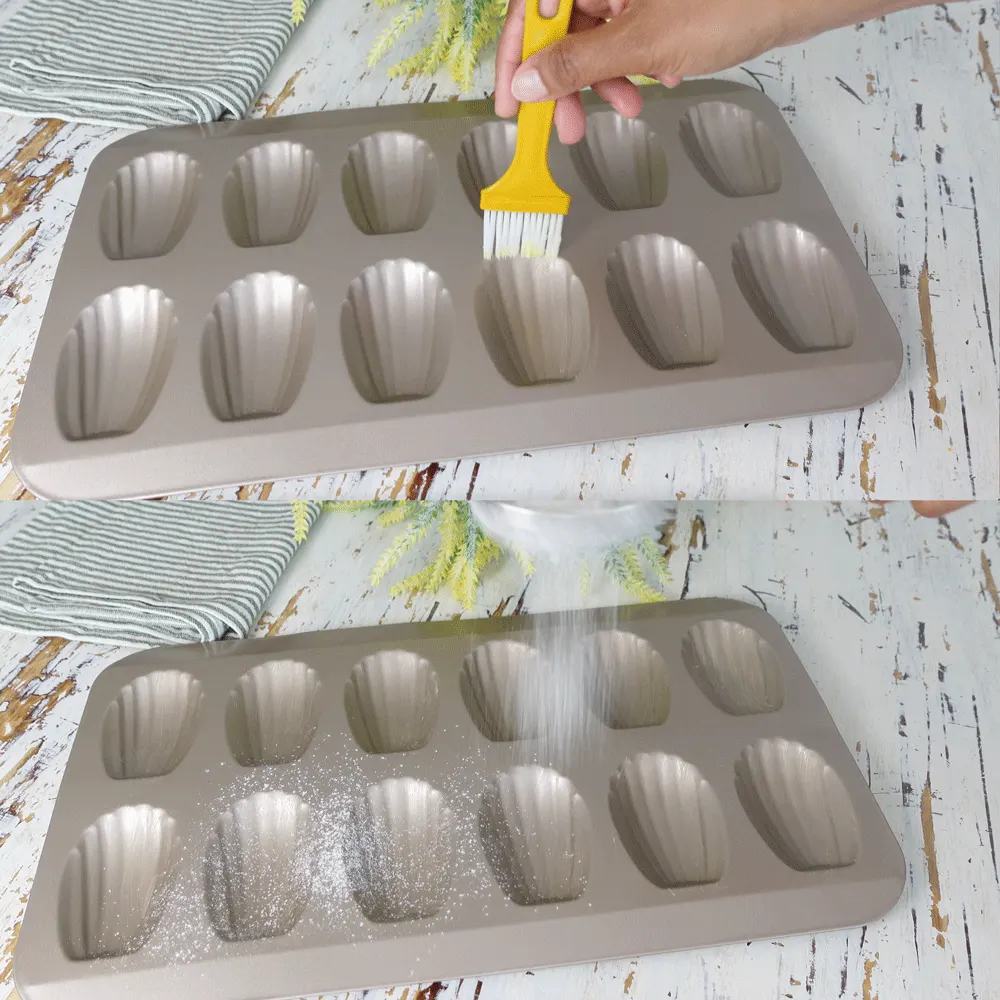
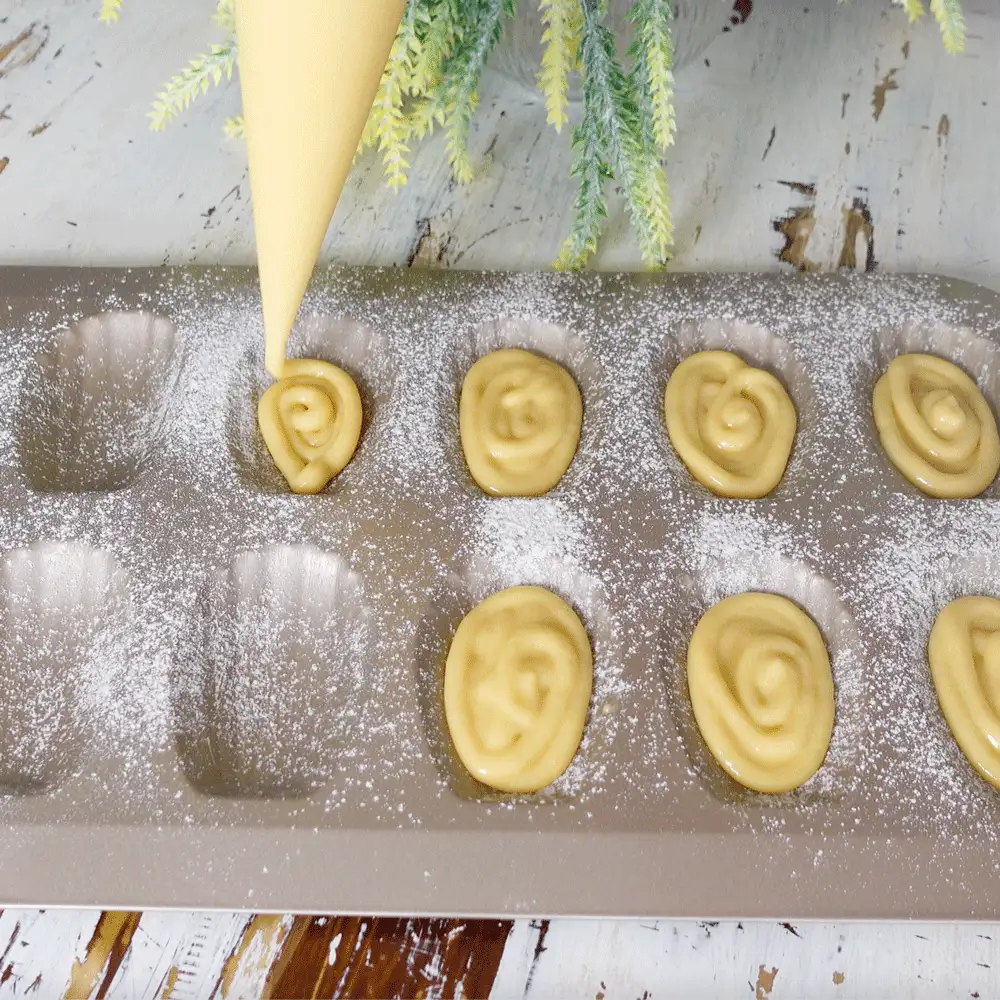
- Prepare the Pan: Brush your madeleine tray generously with a little melted butter, then lightly dust it with flour. Chill the prepared tray in the refrigerator.
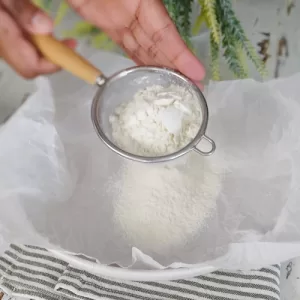
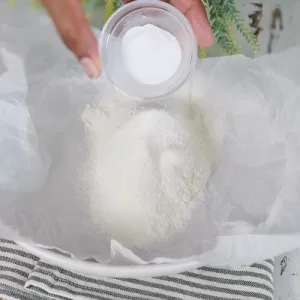
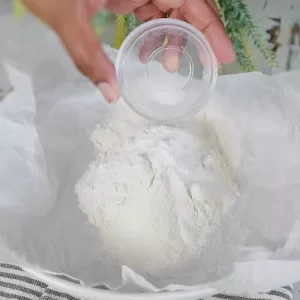
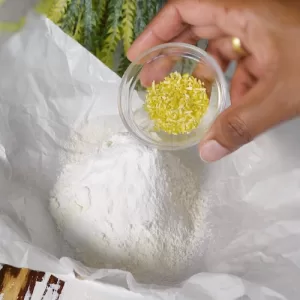
- Combine Dry Ingredients: Sift the flour and baking powder together into a bowl. Add the salt and lemon zest, then mix briefly and set aside.
Mixing the Batter
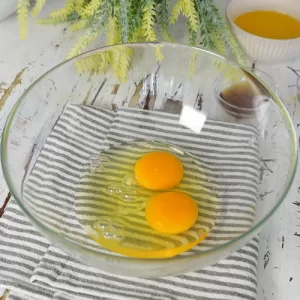
- Whisk Eggs and Sugar: In a separate mixing bowl, whisk the eggs and sugar until the sugar is fully dissolved and the mixture is pale and ribbon-like (this means it forms a trail when the whisk is lifted).
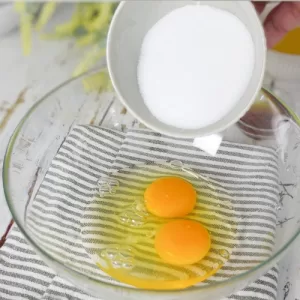
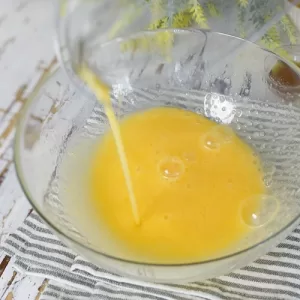
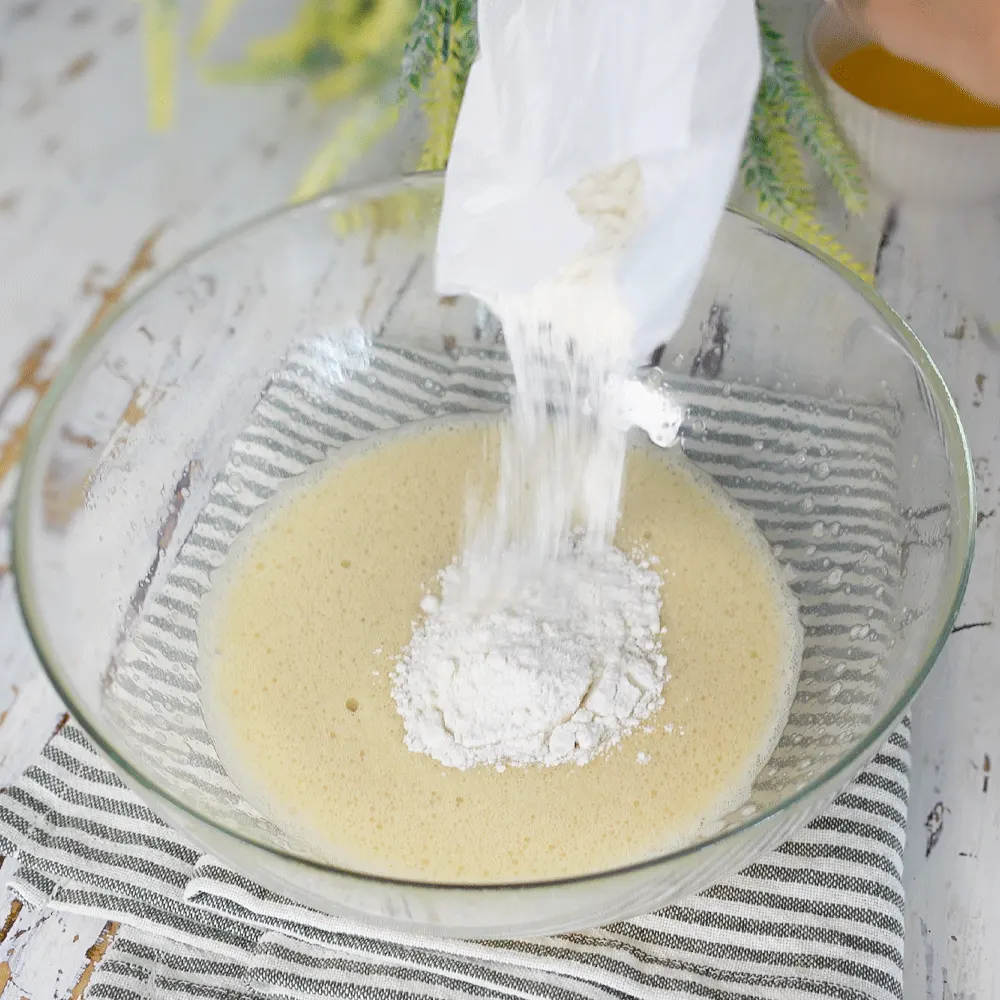
- Fold in Dry Ingredients: Gently fold the dry ingredients into the egg mixture until they are just combined. Be careful not to overmix.
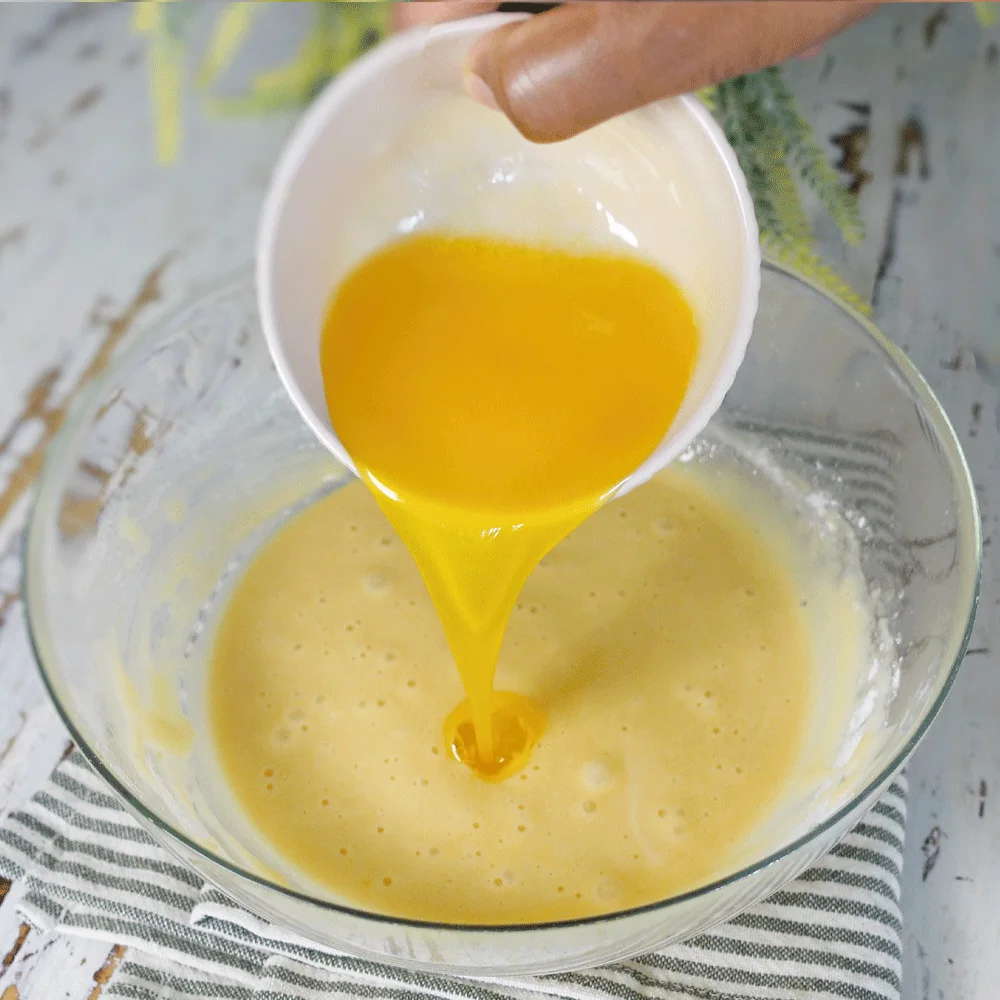
- Incorporate Butter : Add the cooled melted butter to the batter. Mix gently until just combined.
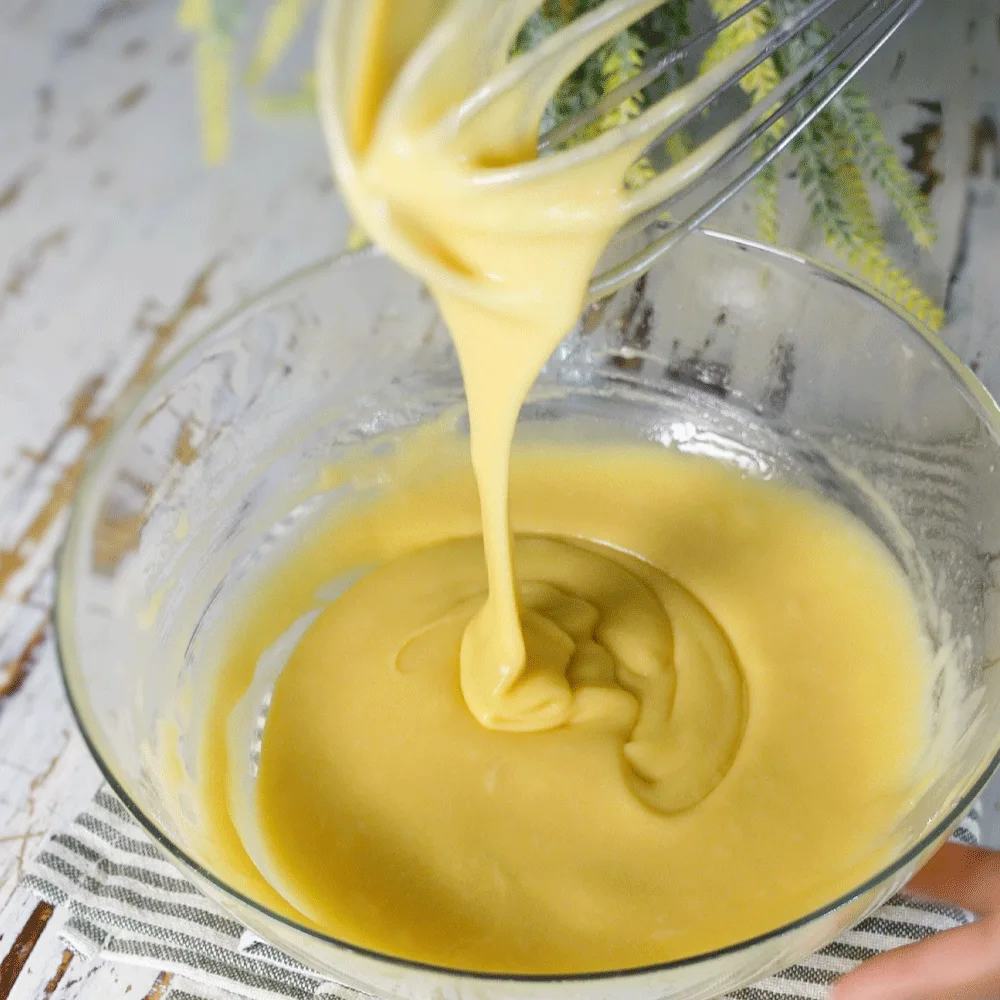
Chilling and Baking
- Chill the Batter: Transfer the batter in to a sealed pipping bag and refrigerate for at least 30 minutes. Alternatively if you are not using a pipping bag cover the bowl and refrigerate the batter for at least 30 minutes. For the best results and the signature ‘hump,’ you can chill the batter overnight. If you are in a rush, you can finish by chilling the batter in the freezer for 10 minutes.
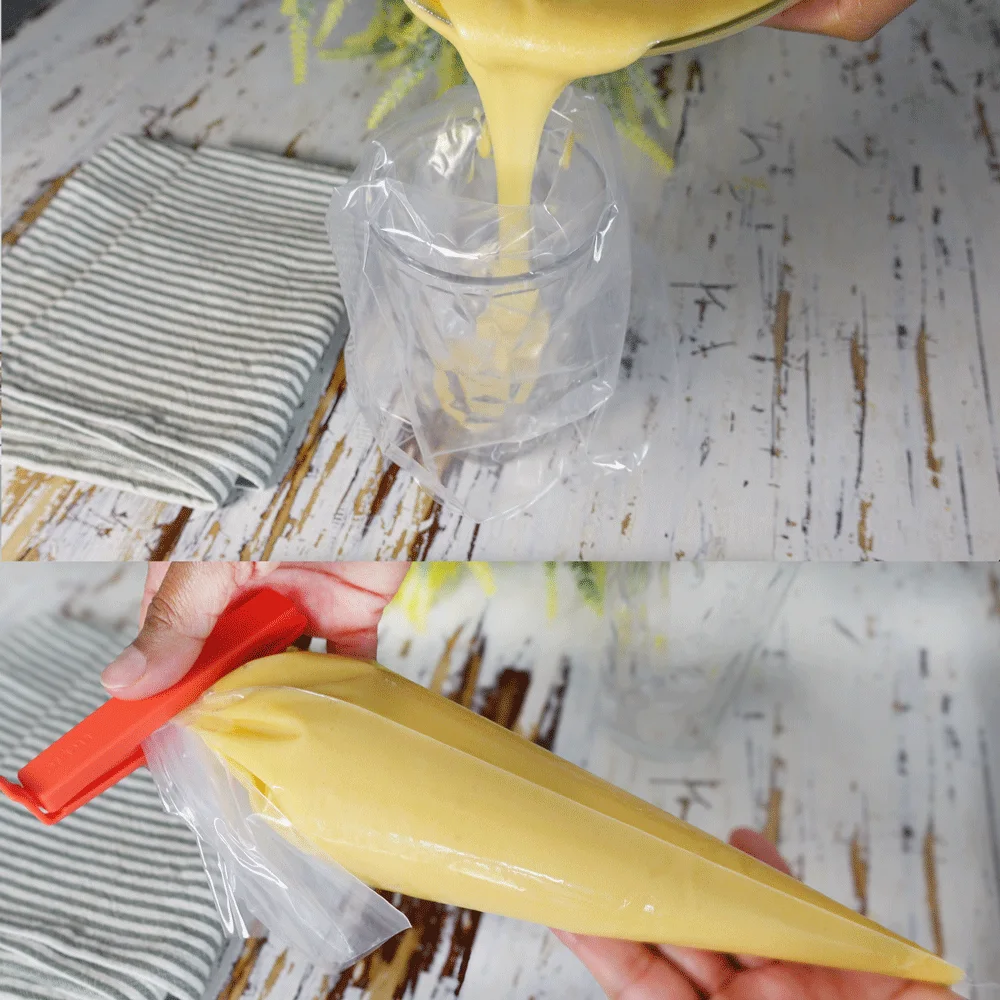
- Fill the Molds: Transfer the batter to a piping bag (or use a small spoon) and fill each mold in the chilled tray to about two-thirds full. Then refrigerate tray with batter for another 15 minutes if in summer time
- Bake: Bake the madeleines in a preheated oven at 210∘C (410∘F) for 8 minutes. Then, without opening the oven door, reduce the heat to 180∘C (356∘F) and bake for another 5 minutes, or until the edges are golden brown and the cakes spring back lightly when touched.
If you are interested in little hump cupcake recipe, you can check on this easy vanilla cupcake recipe

Madeleine the French Cake Recipe
Ingredients
- 90 g (3/4 Cup) All purpose Flour
- 70 g (5 tablespoons) Butter
- 2 medium size eggs
- 1 tsp baking powder
- pinch of salt
- 1 tsp lemon zest
- 1 Tbsp maple syrup
- 60 g (1/4 Cup) caster sugar
- 1 tsp vanilla essence
Instructions
- Preparation
- Melt and Cool the Butter: Gently melt the butter and set it aside to cool to room temperature.
- Prepare the Pan: Brush your madeleine tray generously with a little melted butter, then lightly dust it with flour. Chill the prepared tray in the refrigerator.
- Combine Dry Ingredients: Sift the flour and baking powder together into a bowl. Add the salt and lemon zest, then mix briefly and set aside.
- Mixing the Batter
- Whisk Eggs and Sugar: In a separate mixing bowl, whisk the eggs and sugar until the sugar is fully dissolved and the mixture is pale and ribbon-like (this means it forms a trail when the whisk is lifted).
- Fold in Dry Ingredients: Gently fold the dry ingredients into the egg mixture until they are just combined. Be careful not to overmix.
- Incorporate Butter and Flavoring: Add the cooled melted butter and vanilla essence to the batter. Mix gently until just combined.
- Chilling and Baking
- Chill the Batter: Cover the bowl and refrigerate the batter for at least 30 minutes. For the best results and the signature ‘hump,’ you can chill the batter overnight. If you are in a rush, you can finish by chilling the batter in the freezer for 10 minutes.
- Fill the Molds: Transfer the batter to a piping bag (or use a small spoon) and fill each mold in the chilled tray to about two-thirds full.
- Bake: Bake the madeleines in a preheated oven at 210∘C (410∘F) for 8 minutes.
- Then, without opening the oven door, reduce the heat to 180∘C (356 ∘ F) and bake for another 5 minutes, or until the edges are golden brown and the cakes spring back lightly when touched.