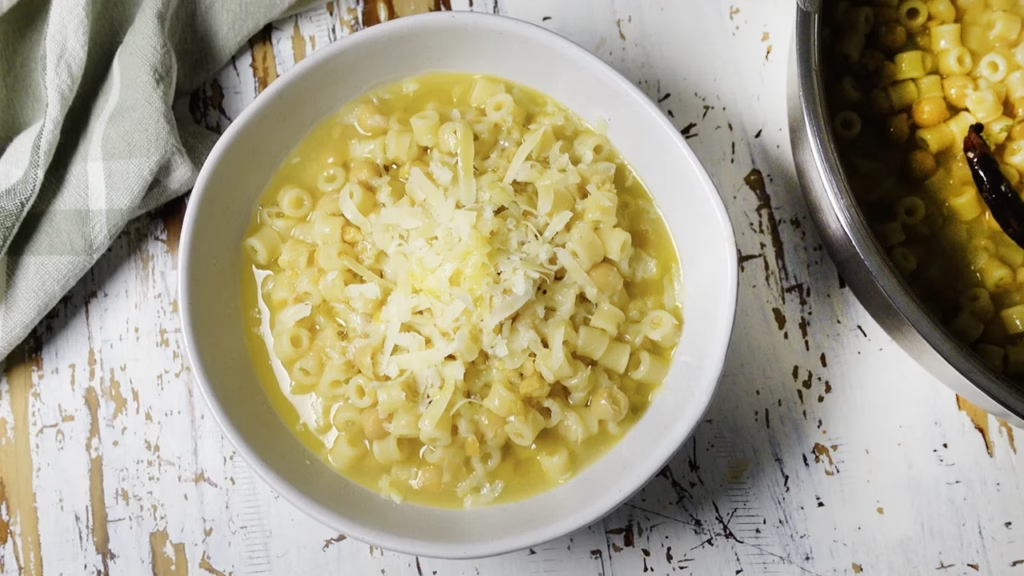
If you’re looking for the ultimate Italian comfort food that’s actually fast enough for a Sydney weeknight, let me introduce you to my “in bianco” version of Pasta e Ceci. While many modern recipes lean heavily on tomato paste for flavour, this authentic, one-pot Pasta e Ceci relies on the creamy emulsion of starchy pasta water, nutty chickpeas, and fragrant rosemary to create a rich, silky sauce without a single drop of red. It’s an engineer’s dream: a high-protein, budget-friendly meal that delivers a sophisticated, bistro-standard result in under 20 minutes using nothing but simple pantry staples.
My son is my toughest food critic. He always gets the very first serving because his face tells me everything I need to know before he even says a word.
When he tried this Pasta e Ceci, he actually gave me a quiet smile. His verdict? ‘Mom, this is so creamy but not heavy at all. It’s subtle, but I can really taste that fruity flavour
A Roman Classic with a Modern Twist
Pasta e Ceci is a timeless staple of Italian cucina povera (peasant cooking), traditionally hailing from the heart of Rome. While the original version is a humble, thick chickpea stew, I’ve adapted it for my busy Sydney kitchen. By mashing the chickpeas and finishing with a raw, fruity extra virgin olive oil, I’ve transformed this rustic classic into a lighter, 30-minute weeknight dinner that feels sophisticated yet stays incredibly budget-friendly.
The “Texture Emulsion” Hack
Since we aren’t using tomato paste to thicken the sauce, we rely on the chickpeas themselves.
- The Technique: Take a small ladle of the chickpeas and a splash of the pasta water, and mash them in a separate bowl (or use a quick burst with an immersion blender) before stirring them back into the pot.
- The Result: This creates a velvety, “creamy” binder that clings to the pasta, giving you a rich mouthfeel without any heavy dairy or thickeners.
The “Liquid Gold” Finish in pasta e ceci
In a “white” Pasta e Ceci, the quality of your finishing oil is your most important “component.”
- The Action: Do not just stir in oil at the beginning. Drizzle a high-quality Extra Virgin Olive Oil over the plated dish right before serving.
- The Science: The heat from the pasta releases the volatile aromatic compounds in the fresh oil, hitting your senses before you even take a bite.
Ingredients
- Ditalini pasta 250g
- One hot bell pepper
- 2 stems lemon thyme
- 1 clove garlic sliced
- 2 tbs olive oil
- 1 can of chickpea (drain aquafaba)
- salt to taste
- grated parmesan for garnish
- 1 tsp extra virgin olive oil for garnish
How to make pasta e ceci
- Infuse the Oil: Heat a pan over medium heat and add a generous swirl of olive oil. Once shimmering, add the hot bell pepper. Let it sizzle for a minute to release its heat and aroma into the oil.
- Aromatize: Stir in the lemon thyme and minced garlic. Sauté for about 30 seconds until fragrant, being careful not to burn the garlic.
- Prepare the Base: Pour in the canned chickpeas (drained of their aquafaba). Using a potato masher or the back of a wooden spoon, roughly mash the chickpeas directly in the pan to create a thick, creamy texture.
- Simmer the Pasta: Add water and the ditalini pasta. Season with salt to taste. Bring to a boil, then reduce to a simmer, stirring occasionally to ensure the pasta doesn’t stick. Cook until the ditalini is al dente and the liquid has thickened into a silky “soup.”
- The Finish: Once the pasta is perfectly cooked, remove from heat. Stir in a generous handful of Parmesan cheese and a final, raw pour of high-quality extra virgin olive oil to capture those bright, fruity notes.
- Serve: Dish it up immediately while warm.
Pasta e Ceci
Ingredients
- 250 g Ditalini pasta
- One hot bell pepper
- 2 stems lemon thyme
- 1 clove garlic sliced
- 2 tbs olive oil
- 1 can of chickpea drain aquafaba
- salt to taste
- grated parmesan for garnish
- 1 tsp extra virgin olive oil for garnish
Instructions
- Infuse the Oil: Heat a pan over medium heat and add a generous swirl of olive oil. Once shimmering, add the hot bell pepper. Let it sizzle for a minute to release its heat and aroma into the oil.
- Aromatize: Stir in the lemon thyme and minced garlic. Sauté for about 30 seconds until fragrant, being careful not to burn the garlic.
- Prepare the Base: Pour in the canned chickpeas (drained of their aquafaba). Using a potato masher or the back of a wooden spoon, roughly mash the chickpeas directly in the pan to create a thick, creamy texture.
- Simmer the Pasta: Add water and the ditalini pasta. Season with salt to taste. Bring to a boil, then reduce to a simmer, stirring occasionally to ensure the pasta doesn’t stick. Cook until the ditalini is al dente and the liquid has thickened into a silky “soup.”
- The Finish: Once the pasta is perfectly cooked, remove from heat. Stir in a generous handful of Parmesan cheese and a final, raw pour of high-quality extra virgin olive oil to capture those bright, fruity notes.
- Serve: Dish it up immediately while warm.